


Concrete Leveling Process Explained: Step-by-Step Guide

Updated: Aug 26
Concrete surfaces such as driveways, sidewalks, patios, and garage floors often settle unevenly over time. This can create trip hazards, water pooling, and unsightly cracks. Instead of replacing the entire slab, concrete leveling offers a cost-effective and efficient solution to restore flatness and stability. This guide breaks down the concrete leveling process step-by-step, helping you understand how professionals lift and stabilize sunken concrete.
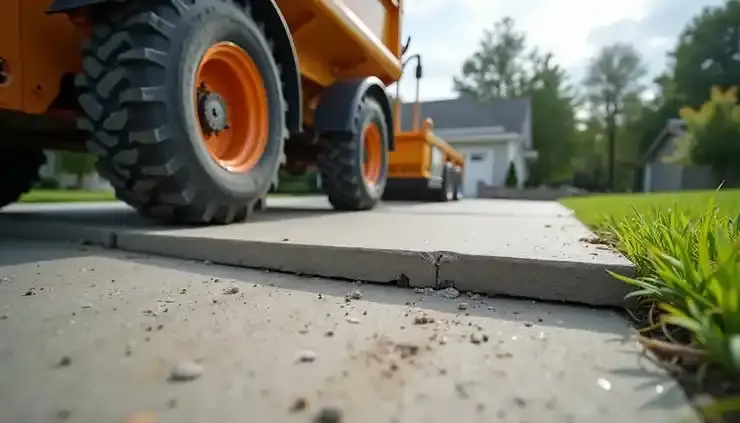
What Is Concrete Leveling?
Concrete leveling, also known as slabjacking or mudjacking, involves raising sunken concrete slabs back to their original position. The goal is to restore a smooth, even surface without the need for demolition and replacement. This process extends the life of your concrete and improves safety and curb appeal.
Concrete settles due to soil erosion, poor compaction, or changes in moisture levels beneath the slab. Leveling fills voids under the concrete and lifts it, preventing further damage.
Step 1: Inspection and Assessment
Before any work begins, a thorough inspection identifies the cause and extent of the settling. Professionals check for:
Cracks or breaks in the concrete
Areas where water pools or drains improperly
Soil conditions under the slab
The slab’s thickness and reinforcement
This assessment helps determine if concrete leveling is suitable or if replacement is necessary. For example, slabs with severe cracking or crumbling may not respond well to leveling.
Step 2: Drilling Access Holes
Once the slab is deemed suitable for leveling, small holes about 1 to 2 inches in diameter are drilled into the concrete. These holes provide access points for the leveling material to be injected underneath.
The holes are strategically placed to ensure even lifting across the slab. Typically, holes are spaced 2 to 4 feet apart depending on the slab size and condition.
Step 3: Injecting the Leveling Material
The core of the process involves pumping a leveling material beneath the slab through the drilled holes. There are two common materials used:
Polyurethane foam: A lightweight, expanding foam that fills voids quickly and cures in minutes. It is water-resistant and adds minimal weight.
Cementitious grout: A mixture of cement, sand, and other additives. It is heavier and takes longer to cure but is cost-effective for larger projects.
The material fills gaps under the slab and pushes it upward. Technicians carefully monitor the slab’s movement to achieve the desired level.
Step 4: Sealing the Holes and Finishing
After the slab is lifted to the correct height, the holes are sealed with a patching compound that matches the existing concrete. This restores the slab’s surface integrity and appearance.
The area is then cleaned, and any debris is removed. The concrete is ready for use shortly after, especially when polyurethane foam is used, which cures rapidly.
Benefits of Concrete Leveling
Concrete leveling offers several advantages over full slab replacement:
Cost savings: Leveling typically costs 30-50% less than replacing concrete.
Speed: The process can often be completed in a few hours, minimizing disruption.
Durability: Properly leveled slabs can last many years without further settling.
Eco-friendly: It reduces waste by preserving existing concrete.
Improved safety: Eliminates trip hazards caused by uneven surfaces.
When to Choose Concrete Leveling
Concrete leveling works best for slabs that have settled but remain structurally sound. It is ideal for:
Driveways with sunken sections
Sidewalks with uneven panels
Garage floors with dips
Patios and pool decks with minor settling
If the concrete is severely cracked, crumbling, or has extensive damage, replacement may be the better option.
Tips for Maintaining Leveled Concrete
To keep your leveled concrete in good shape:
Ensure proper drainage around the slab to prevent water accumulation.
Avoid planting large trees too close to concrete to reduce root damage.
Seal concrete surfaces periodically to protect against moisture.
Address cracks promptly to prevent further deterioration.
Why Choose Lift It PRO for Concrete Leveling
When you need reliable concrete leveling expert in PA area, Lift It PRO stands out for quality and expertise. Our team uses advanced polyurethane foam technology to lift and stabilize concrete quickly and effectively. We provide thorough inspections, transparent pricing, and lasting results.
Choosing Lift It PRO means investing in a safer, more attractive property without the high cost and mess of concrete replacement. Contact us today to schedule an assessment and see how we can restore your concrete surfaces with precision and care.


Comments